Articles - Metal Processing Ltd

180621RAK_0013-1.jpg-1280x854.jpg

Branchen die Aluminiumlegierungsbarren aus UBC-Schrott verwenden, treiben die Kreislaufwirtschaft voran

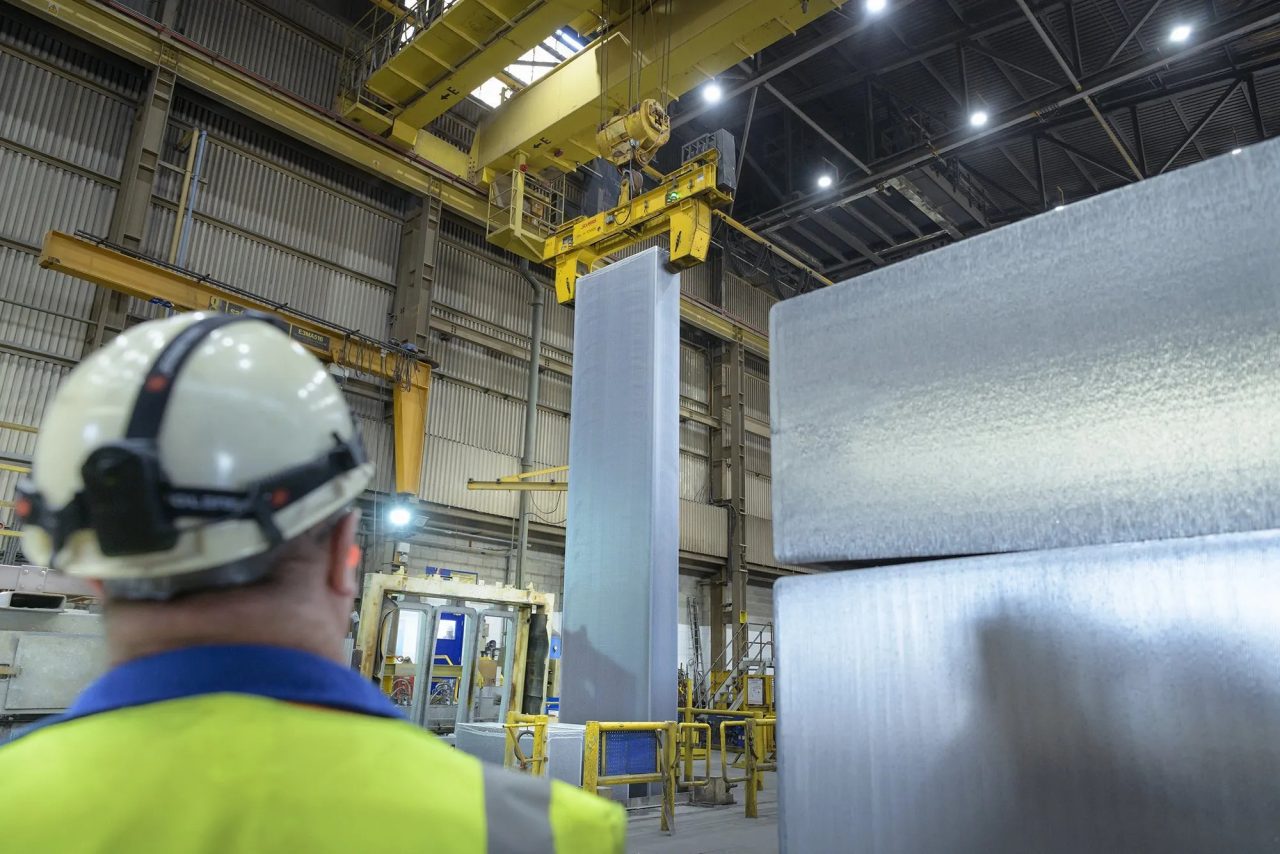
Branchen, die Aluminiumlegierungsbarren aus UBC-Schrott verwenden, spielen eine entscheidende Rolle beim weltweiten Übergang zu einer nachhaltigen Produktion und einer effizienteren Nutzung von Ressourcen. Mit der steigenden Nachfrage nach recycelten Metallen sind Aluminiumlegierungsbarren, die aus UBC-Schrott (Used Beverage Can Scrap – gebrauchte Getränkedosen) hergestellt werden, zu einem wichtigen Rohstoff für zahlreiche Industriezweige geworden, die hochwertige, kosteneffiziente und umweltfreundliche Alternativen zu Primäraluminium suchen.

Die Metal Processing Ltd erkennt die wachsende Bedeutung von Sekundärrohstoffen und die zentrale Rolle, die das Recycling von UBC-Schrott für die moderne industrielle Produktion spielt.

Vom UBC-Schrott zum Aluminiumlegierungsbarren

UBC-Schrott gehört zu den wertvollsten Aluminiumrecyclingströmen weltweit. Durch moderne Sortier-, Reinigungs-, Zerkleinerungs-, Entlackungs- und Schmelzprozesse kann UBC-Schrott in hochwertige Aluminiumlegierungsbarren umgewandelt werden, die für zahlreiche industrielle Anwendungen geeignet sind.

Die Herstellung von Aluminium aus recyceltem UBC-Schrott benötigt deutlich weniger Energie als die Produktion von Primäraluminium aus Bauxit. Dadurch werden CO₂-Emissionen reduziert, natürliche Ressourcen geschont und die Prinzipien der Kreislaufwirtschaft unterstützt.

Die hohen Rückgewinnungsraten und die gleichbleibende Qualität machen aufbereiteten UBC-Schrott zu einem bevorzugten Rohstoff für Sekundäraluminiumhersteller und Schmelzwerke weltweit.

Automobilindustrie

Die Automobilindustrie zählt zu den größten Verbrauchern von Aluminiumlegierungsbarren aus Recyclingmaterialien.

Anwendungsbereiche:

  • Motorkomponenten
  • Getriebegehäuse
  • Räder und Felgen
  • Strukturbauteile
  • Wärmetauscher
  • Leichtbaukomponenten

Da Fahrzeughersteller verstärkt auf Gewichtsreduzierung und Kraftstoffeffizienz setzen, steigt die Nachfrage nach recycelten Aluminiumlegierungen kontinuierlich.

Bauindustrie

Die Bauindustrie verwendet Aluminiumlegierungsbarren für die Herstellung von:

  • Fensterrahmen
  • Fassadensystemen
  • Dachkonstruktionen
  • Türen
  • Aluminiumprofilen
  • Tragenden Bauteilen

Recyceltes Aluminium überzeugt durch Langlebigkeit, Korrosionsbeständigkeit und Nachhaltigkeit.

Verpackungsindustrie

Die Verpackungsindustrie ist eines der besten Beispiele für eine funktionierende Kreislaufwirtschaft.

Aluminiumlegierungsbarren aus UBC-Schrott werden verwendet zur Herstellung von:

  • Getränkedosen
  • Lebensmittelbehältern
  • Aerosoldosen
  • Verpackungsmaterialien

Da Aluminium unbegrenzt recycelt werden kann, können Getränkedosen immer wieder in den Produktionskreislauf zurückgeführt werden.

Elektro- und Elektronikindustrie

Hersteller der Elektro- und Elektronikbranche nutzen recyceltes Aluminium für:

  • Elektronikgehäuse
  • Kühlkörper
  • Elektrische Komponenten
  • Konsumelektronik
  • Kabelzubehör

Die hervorragende Wärmeleitfähigkeit und das geringe Gewicht machen Aluminium zu einem unverzichtbaren Werkstoff moderner Technologien.

Erneuerbare Energien

Der Bereich der erneuerbaren Energien ist zunehmend auf recyceltes Aluminium angewiesen.

Anwendungsbereiche:

  • Solarmodulrahmen
  • Montagesysteme
  • Komponenten von Windkraftanlagen
  • Batteriesysteme
  • Energiespeicherinfrastruktur

Mit den weltweit steigenden Investitionen in erneuerbare Energien wird auch die Nachfrage nach nachhaltigen Aluminiumprodukten weiter zunehmen.

Luft- und Raumfahrtindustrie

Obwohl die Luft- und Raumfahrtindustrie häufig spezielle Legierungen benötigt, wird recyceltes Aluminium unter anderem eingesetzt für:

  • Innenausstattungen
  • Trägerstrukturen
  • Nicht sicherheitskritische Bauteile
  • Bodengeräte

Das zunehmende Umweltbewusstsein der Branche schafft neue Möglichkeiten für Recyclingaluminium.

Industrielle Fertigung

Zahlreiche Industriebetriebe verwenden Aluminiumlegierungsbarren aus UBC-Schrott zur Herstellung von:

  • Maschinenkomponenten
  • Pumpen
  • Ventilen
  • Gussteilen
  • Industrieanlagen
  • Konsumgütern

Die Verfügbarkeit hochwertiger Sekundäraluminiumrohstoffe ermöglicht nachhaltigere und wirtschaftlichere Produktionsprozesse.

Umwelt- und Wirtschaftsvorteile

Die Verwendung von Aluminiumlegierungsbarren aus UBC-Schrott bietet zahlreiche Vorteile:

  • Geringerer Energieverbrauch
  • Reduzierte CO₂-Emissionen
  • Schonung natürlicher Ressourcen
  • Niedrigere Produktionskosten
  • Weniger Abfallaufkommen
  • Förderung der Kreislaufwirtschaft
  • Verbesserte Nachhaltigkeitsbilanz

Mit der zunehmenden Umsetzung von Umwelt- und Dekarbonisierungsstrategien gewinnt recyceltes Aluminium für die globale Industrie weiter an Bedeutung.

Metal Processing Ltd – Ihr Partner für nachhaltige Aluminiumlieferketten

Die Metal Processing Ltd ist auf die Aufbereitung und Lieferung hochwertiger Aluminiumschrotte und Sekundärrohstoffe für industrielle Anwendungen spezialisiert. Durch verantwortungsvolle Recyclingprozesse und hohe Qualitätsstandards unterstützt das Unternehmen Hersteller, Schmelzwerke, Gießereien und Recyclingpartner in Deutschland, Europa und internationalen Märkten.

Die steigende Nachfrage nach Aluminiumlegierungsbarren aus UBC-Schrott zeigt deutlich, dass Recyclingmetalle längst nicht mehr als Abfall betrachtet werden, sondern strategische Rohstoffe für die Industrie der Zukunft sind.

Mit dem weltweiten Übergang zu einer Kreislaufwirtschaft werden Branchen, die Aluminiumlegierungsbarren aus UBC-Schrott verwenden, weiterhin eine entscheidende Rolle bei der Schaffung einer ressourceneffizienten und nachhaltigen Industrie spielen.
180621RAK_0013-1.jpg-1280x854.jpg

Industries Using Aluminum Alloy Ingots Produced from UBC Scrap

Industries Using Aluminum Alloy Ingots Produced from UBC Scrap Are Driving the Circular Economy

Industries Using Aluminum Alloy Ingots Produced from UBC Scrap are playing a crucial role in the global transition toward sustainable manufacturing and resource efficiency. As demand for recycled metals continues to grow, aluminum alloy ingots produced from Used Beverage Can (UBC) scrap have become an essential raw material for numerous industries seeking high-quality, cost-effective, and environmentally responsible alternatives to primary aluminum.

At Metal Processing Ltd, we understand the growing importance of secondary aluminum raw materials and the significant role that UBC scrap recycling plays in supporting modern industrial production.

From UBC Scrap to Aluminum Alloy Ingots

Used Beverage Can (UBC) scrap is one of the most valuable aluminum recycling streams in the world. Through advanced sorting, cleaning, shredding, decoating, and remelting processes, UBC scrap can be transformed into high-quality aluminum alloy ingots suitable for various industrial applications.

Producing aluminum from recycled UBC scrap requires significantly less energy than manufacturing primary aluminum from bauxite ore. This process reduces carbon emissions, conserves natural resources, and supports the principles of the circular economy.

The excellent recovery rates and consistent quality of processed UBC scrap make it a preferred feedstock for secondary aluminum producers and smelters worldwide.

Automotive Industry

The automotive industry is one of the largest consumers of aluminum alloy ingots produced from recycled materials.

Applications include:

  • Engine components
  • Transmission housings
  • Wheels and rims
  • Structural parts
  • Heat exchangers
  • Lightweight body components

As vehicle manufacturers continue to focus on reducing weight and improving fuel efficiency, the demand for recycled aluminum alloys continues to increase.

Construction Industry

The construction sector relies heavily on aluminum alloy ingots for the production of:

  • Window frames
  • Curtain walls
  • Roofing systems
  • Doors
  • Architectural profiles
  • Structural components

Recycled aluminum offers durability, corrosion resistance, and sustainability, making it an ideal material for modern construction projects.

Packaging Industry

The packaging industry represents one of the most successful examples of the circular economy.

Aluminum alloy ingots derived from UBC scrap are used to manufacture:

  • Beverage cans
  • Food containers
  • Aerosol cans
  • Packaging materials

Because aluminum can be recycled repeatedly without losing its properties, beverage cans can continuously return to the production cycle.

Electrical and Electronics Industry

Manufacturers in the electrical and electronics sector utilize recycled aluminum for:

  • Electronic housings
  • Heat sinks
  • Electrical components
  • Consumer electronics
  • Cable accessories

The excellent thermal conductivity and lightweight properties of aluminum make it an important material for modern technologies.

Renewable Energy Industry

The renewable energy sector increasingly depends on recycled aluminum.

Applications include:

  • Solar panel frames
  • Mounting systems
  • Wind turbine components
  • Battery systems
  • Energy storage infrastructure

As investments in renewable energy continue to grow worldwide, demand for sustainable aluminum materials is expected to increase further.

Aerospace Industry

Although the aerospace sector often requires highly specialized alloys, recycled aluminum contributes significantly to:

  • Interior components
  • Support structures
  • Non-critical aircraft parts
  • Ground equipment

The industry’s focus on reducing environmental impact is creating new opportunities for recycled aluminum materials.

Industrial Manufacturing

Numerous industrial manufacturers use aluminum alloy ingots produced from UBC scrap to produce:

  • Machinery components
  • Pumps
  • Valves
  • Castings
  • Industrial equipment
  • Consumer products

The availability of high-quality secondary aluminum helps manufacturers improve sustainability while maintaining competitive production costs.

Environmental and Economic Benefits

Using aluminum alloy ingots produced from UBC scrap provides numerous advantages:

  • Lower energy consumption.
  • Reduced carbon emissions.
  • Conservation of natural resources.
  • Lower production costs.
  • Reduced landfill waste.
  • Support for the circular economy.
  • Improved sustainability performance.

As governments and industries continue to implement environmental targets and decarbonization strategies, recycled aluminum is becoming increasingly important to global manufacturing.

Metal Processing Ltd – Supporting Sustainable Aluminum Supply Chains

Metal Processing Ltd specializes in the processing and supply of high-quality aluminum scrap and secondary raw materials for industrial applications. Through responsible recycling practices and strict quality standards, the company supports manufacturers, smelters, foundries, and recycling partners throughout Germany, Europe, and international markets.

The growing demand for aluminum alloy ingots produced from UBC scrap demonstrates that recycled metals are no longer simply waste materials—they are strategic resources that will help shape the future of sustainable industry.

As the global transition toward a circular economy accelerates, industries using aluminum alloy ingots produced from UBC scrap will continue to play an increasingly important role in building a more resource-efficient and environmentally responsible world.


rap-metal-stock-image-1.jpg

Aluminiumschrott Recycling: Nachhaltige Rohstoffversorgung für die moderne Industrie

Aluminiumschrott Recycling gehört heute zu den wichtigsten Bereichen der internationalen Recyclingwirtschaft. Aluminiumschrott Recycling ermöglicht es Unternehmen, natürliche Ressourcen zu schonen, Produktionskosten zu senken und nachhaltige Rohstoffquellen zu nutzen. Metal Processing Ltd liefert hochwertige Aluminiumschrotte und Sekundärrohstoffe an Kunden in Deutschland, Europa und internationalen Märkten.

Warum Aluminiumrecycling immer wichtiger wird

Aluminium kann nahezu unbegrenzt recycelt werden, ohne seine Eigenschaften zu verlieren. Dadurch zählt Aluminium zu den wertvollsten Rohstoffen der Kreislaufwirtschaft.

Im Vergleich zur Primärproduktion benötigt die Wiederverwertung von Aluminium deutlich weniger Energie und verursacht geringere CO₂-Emissionen. Dies macht Aluminiumrecycling zu einem wichtigen Bestandteil einer nachhaltigen Industrie.

Vorteile des Aluminiumrecyclings

  • Schonung natürlicher Ressourcen.
  • Reduzierung des Energieverbrauchs.
  • Verringerung von CO₂-Emissionen.
  • Nachhaltige Rohstoffversorgung.
  • Reduzierung von Abfällen.
  • Unterstützung der Kreislaufwirtschaft.

Arten von Aluminiumschrott

Zu den wichtigsten Aluminiumschrotten gehören:

UBC-Schrott

Gebrauchte Getränkedosen stellen eine hochwertige Quelle für Recyclingaluminium dar.

Aluminiumprofile

Fensterrahmen und industrielle Profile können effizient wiederverwertet werden.

Aluminiumfelgen

Alte Felgen liefern wertvolle Aluminiumlegierungen für die Weiterverarbeitung.

Gemischter Aluminiumschrott

Produktionsreste und Industrieabfälle können zu hochwertigen Sekundärrohstoffen aufbereitet werden.

Einsatzbereiche von Recyclingaluminium

Recyceltes Aluminium wird verwendet in:

  • Automobilindustrie.
  • Bauindustrie.
  • Verpackungsindustrie.
  • Elektronikbranche.
  • Erneuerbaren Energien.

Metal Processing Ltd – Ihr zuverlässiger Partner

Metal Processing Ltd ist auf den Ankauf, die Aufbereitung und den Vertrieb hochwertiger Aluminiumschrotte spezialisiert. Moderne Technologien und hohe Qualitätsstandards gewährleisten eine zuverlässige Versorgung von Aluminiumhütten, Recyclingunternehmen und Industriebetrieben.

Durch die Bereitstellung hochwertiger Sekundärrohstoffe leistet das Unternehmen einen wichtigen Beitrag zur nachhaltigen Kreislaufwirtschaft und zur ressourcenschonenden Produktion in Deutschland und weltweit.


rap-metal-stock-image-1.jpg

Aluminum Scrap Recycling: Driving Sustainability and Supplying High-Quality Secondary Raw Materials

Aluminum Scrap Recycling has become one of the most important sectors in the global recycling industry. Aluminum Scrap Recycling helps manufacturers, smelters, and industrial companies reduce costs, conserve natural resources, and support sustainable production. As demand for environmentally friendly raw materials continues to increase, Metal Processing Ltd supplies high-quality aluminum scrap and processed secondary raw materials to customers across Europe and international markets.

Why Aluminum Recycling Is More Important Than Ever

Aluminum is one of the few materials that can be recycled indefinitely without losing its physical properties. This makes aluminum scrap an extremely valuable resource for industries seeking reliable and sustainable raw materials.

Compared to primary aluminum production, recycling aluminum requires significantly less energy and generates lower carbon emissions. These advantages have made aluminum recycling an essential part of the circular economy.

Benefits of Aluminum Scrap Recycling

Recycling aluminum provides several important benefits:

  • Conservation of natural resources.
  • Reduced energy consumption.
  • Lower carbon emissions.
  • Reduced waste generation.
  • Sustainable industrial production.
  • Reliable supply of secondary raw materials.

As industries continue to focus on sustainability and environmental responsibility, recycled aluminum has become increasingly important for modern manufacturing.

Common Types of Aluminum Scrap

Several types of aluminum scrap can be processed and reused efficiently, including:

Used Beverage Can (UBC) Scrap

UBC scrap is one of the most valuable forms of aluminum recycling material and is widely used for producing new beverage cans.

Aluminum Extrusions

Aluminum profiles and structural components are frequently recycled and reused in construction and industrial applications.

Aluminum Wheels

Used wheels provide high-quality aluminum suitable for remelting and manufacturing.

Mixed Aluminum Scrap

Various industrial residues and manufacturing scrap can be processed and converted into valuable secondary raw materials.

Industries That Depend on Recycled Aluminum

Recycled aluminum plays a vital role in numerous sectors:

Automotive Industry

Lightweight aluminum components help improve fuel efficiency and reduce emissions.

Construction Industry

Windows, doors, facades, and structural elements often contain recycled aluminum.

Packaging Industry

The beverage industry relies heavily on recycled aluminum for sustainable packaging solutions.

Electronics Industry

Electronic devices and electrical components frequently contain recycled aluminum materials.

Renewable Energy Sector

Solar systems and modern energy infrastructure benefit from lightweight and durable aluminum products.

Supporting the Circular Economy

The circular economy is based on the principle of reusing valuable materials rather than disposing of them. Aluminum recycling contributes significantly to this objective by reducing dependence on primary resources and minimizing environmental impact.

Through advanced recycling technologies, aluminum scrap can be transformed into high-quality secondary raw materials suitable for demanding industrial applications.

Metal Processing Ltd – Your Reliable Partner for Aluminum Scrap

Metal Processing Ltd specializes in the purchase, processing, and supply of premium aluminum scrap and recycled metals. By using modern technologies and strict quality standards, the company provides customers with reliable raw materials for industrial manufacturing.

Whether supplying aluminum smelters, recyclers, foundries, or industrial users, Metal Processing Ltd contributes to sustainable resource management and supports the growing demand for environmentally responsible production.


1776157965022-1280x853.jpeg

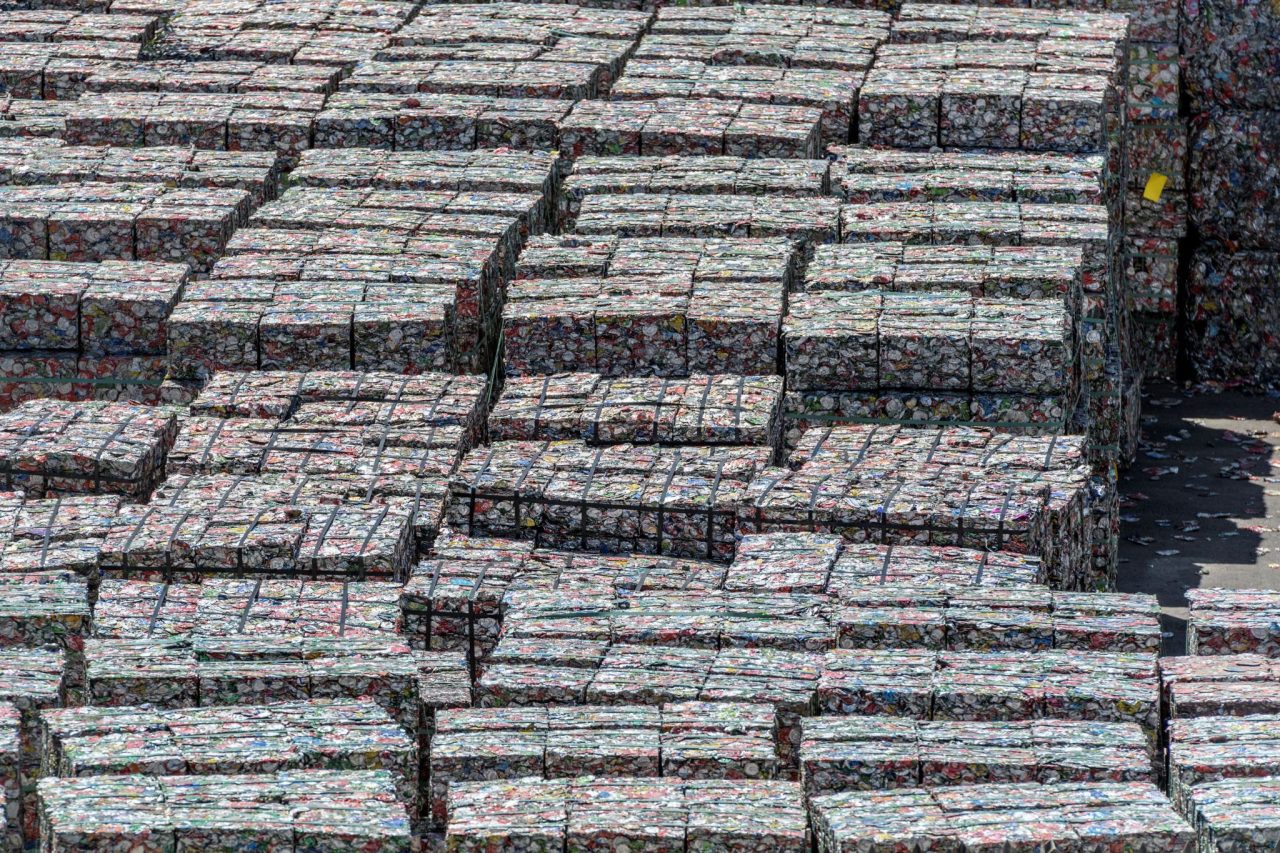
UBC-Schrott verfügbar – Über 1000 Tonnen sofort exportbereit für Aluminiumhütten und internationale Käufer

UBC-Schrott verfügbar – Über 1000 Tonnen sofort exportbereit bietet Aluminiumhütten, Recyclingunternehmen und Industriekunden eine zuverlässige Quelle hochwertiger Aluminiumrohstoffe. UBC-Schrott verfügbar – Über 1000 Tonnen sofort exportbereit von Metal Processing Ltd gewährleistet eine kontinuierliche Versorgung mit nachhaltigen Sekundärrohstoffen für die moderne Aluminiumproduktion.

Hochwertiger UBC-Schrott für die Aluminiumindustrie

UBC-Schrott (Used Beverage Can Scrap) gehört zu den wertvollsten Aluminiumrecyclingmaterialien. Aluminium kann nahezu unbegrenzt recycelt werden, ohne seine Eigenschaften zu verlieren. Dadurch ist UBC-Schrott ein wichtiger Bestandteil der Kreislaufwirtschaft und der nachhaltigen Rohstoffversorgung.

Metal Processing Ltd verfügt derzeit über mehr als 1.000 Tonnen UBC-Schrott, die sofort für den Export verfügbar sind. Sowohl Spotgeschäfte als auch langfristige Lieferverträge sind möglich.

Vorteile von UBC-Schrott

  • Hohe Aluminiumausbeute.
  • Geringerer Energieverbrauch.
  • Reduzierung von CO₂-Emissionen.
  • Nachhaltige Ressourcennutzung.
  • Zuverlässige Rohstoffversorgung.
  • Wirtschaftliche Produktionsprozesse.

Einsatzbereiche von Recyclingaluminium

Recyceltes Aluminium wird verwendet in:

Getränkeindustrie

Aus gebrauchten Getränkedosen entstehen neue Aluminiumverpackungen.

Automobilindustrie

Leichte Aluminiumkomponenten verbessern die Energieeffizienz moderner Fahrzeuge.

Bauindustrie

Fensterprofile, Fassaden und Konstruktionselemente werden aus Recyclingaluminium hergestellt.

Elektronikindustrie

Zahlreiche elektronische Geräte enthalten Aluminiumkomponenten.

Erneuerbare Energien

Solaranlagen und Energiesysteme profitieren von langlebigen Aluminiumwerkstoffen.

Zuverlässiger Lieferant für internationale Kunden

Metal Processing Ltd ist ein erfahrener Partner für Metallrecycling und den internationalen Handel mit Sekundärrohstoffen. Durch moderne Aufbereitungstechnologien und hohe Qualitätsstandards liefert das Unternehmen hochwertige Aluminiumrohstoffe an Kunden in Deutschland, Europa und weltweit.

Mehr als 1.000 Tonnen UBC-Schrott stehen derzeit für den sofortigen Export zur Verfügung. Interessenten aus der Aluminiumindustrie, Recyclingbranche und dem internationalen Rohstoffhandel können sich für weitere Informationen zu Spezifikationen, Logistik und Liefermöglichkeiten direkt an Metal Processing Ltd wenden.


1776157965022-1280x853.jpeg

UBC Scrap Available – 1,000 Tonnes Ready for Export to Aluminum Smelters and International Buyers

UBC Scrap Available – 1,000 Tonnes Ready for Export represents an excellent opportunity for aluminum recyclers, smelters, and industrial buyers seeking a reliable source of high-quality Used Beverage Can (UBC) scrap. UBC Scrap Available – 1,000 Tonnes Ready for Export from Metal Processing Ltd provides customers with consistent supply, professional handling, and sustainable secondary raw materials for aluminum production and recycling applications.

High-Quality UBC Scrap for the Global Aluminum Industry

Used Beverage Can (UBC) scrap is one of the most valuable forms of aluminum scrap because of its high recycling efficiency and excellent recovery rates. Aluminum can be recycled repeatedly without losing its physical properties, making UBC scrap an essential raw material for modern aluminum production and the circular economy.

Metal Processing Ltd currently has 1,000 metric tons of UBC scrap available for immediate export. Large quantities are available for long-term contracts and spot shipments to customers throughout Europe and international markets.

Why UBC Scrap Is in High Demand

The growing demand for sustainable raw materials and lower carbon emissions has significantly increased the importance of aluminum recycling. UBC scrap offers several advantages:

  • High aluminum recovery rates.
  • Lower energy consumption compared with primary aluminum production.
  • Reduced carbon footprint.
  • Sustainable resource management.
  • Reliable supply of secondary raw materials.
  • Cost-effective production solutions.

Compared with producing aluminum from bauxite ore, recycling aluminum requires significantly less energy, making UBC scrap an attractive material for smelters and manufacturers worldwide.

Applications of Recycled Aluminum

Recycled aluminum produced from UBC scrap is widely used in various industries, including:

Beverage Packaging Industry

Recycled cans are transformed into new beverage containers, supporting a closed-loop recycling system.

Automotive Industry

Manufacturers increasingly use recycled aluminum to reduce vehicle weight and improve energy efficiency.

Construction Sector

Aluminum profiles, window frames, and structural components are manufactured using recycled materials.

Electronics Industry

Recycled aluminum is used in electronic housings and various industrial applications.

Renewable Energy Sector

Solar systems and energy infrastructure projects rely on lightweight and durable aluminum materials.

Benefits for Aluminum Smelters and Buyers

Working with a reliable supplier of UBC scrap offers numerous advantages:

Consistent Material Supply

Large quantities ensure stable production planning and long-term cooperation.

Sustainable Production

Recycled aluminum supports environmental objectives and circular economy initiatives.

Reduced Production Costs

Secondary raw materials help manufacturers improve efficiency and competitiveness.

International Export Availability

Metal Processing Ltd supplies customers throughout Europe and international markets with dependable logistics and professional service.

Supporting the Circular Economy

Aluminum is one of the most sustainable materials available because it can be recycled indefinitely without losing quality. The recovery and processing of UBC scrap contribute significantly to reducing waste and conserving natural resources.

By returning used beverage cans to the production cycle, industries can lower emissions and reduce dependence on primary aluminum extraction. This supports both economic and environmental sustainability.

Metal Processing Ltd – Reliable Supplier of UBC Scrap

Metal Processing Ltd specializes in metal recycling, scrap trading, and the supply of high-quality secondary raw materials. With modern processing technologies and extensive industry experience, the company serves aluminum smelters, recyclers, and industrial buyers across Europe and worldwide.

Currently, 1,000 metric tons of UBC scrap are available and ready for export. Customers looking for large volumes of aluminum scrap can benefit from reliable supply, professional handling, and long-term business partnerships.

Companies interested in bulk quantities, long-term contracts, or international shipments are invited to contact Metal Processing Ltd for further information regarding specifications, logistics, and export opportunities.


Steel_Corp_Scrap_Piles.jpg

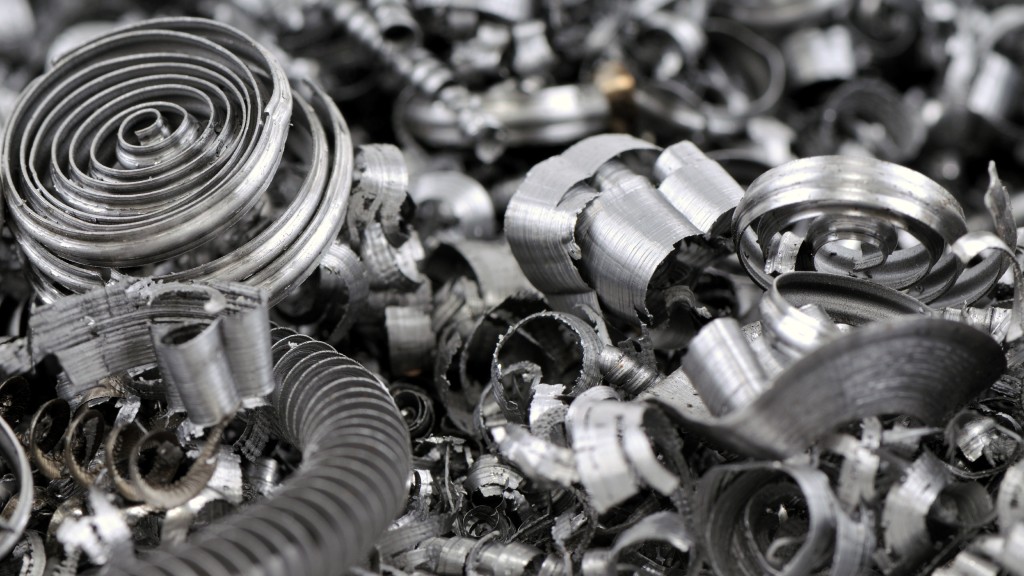
Stahlschrottaufbereitung: Nachhaltige Rohstoffversorgung durch hochwertiges Stahlrecycling

Die Stahlschrottaufbereitung ist ein wesentlicher Bestandteil moderner Recyclingprozesse und einer nachhaltigen Industrie. Die Stahlschrottaufbereitung ermöglicht es, wertvolle Stahlmaterialien zurückzugewinnen, aufzubereiten und erneut als hochwertige Sekundärrohstoffe einzusetzen. Metal Processing Ltd ist auf die Verarbeitung und den Vertrieb hochwertiger Stahlrecyclingprodukte spezialisiert.

Bedeutung des Stahlrecyclings

Stahl gehört zu den am häufigsten recycelten Werkstoffen weltweit. Er kann nahezu unbegrenzt wiederverwertet werden, ohne seine Eigenschaften zu verlieren. Dadurch leistet Stahlrecycling einen wichtigen Beitrag zur Kreislaufwirtschaft und zum Umweltschutz.

Zu den wichtigsten Vorteilen gehören:

  • Schonung natürlicher Ressourcen.
  • Geringerer Energieverbrauch.
  • Verringerung von CO₂-Emissionen.
  • Reduzierung von Abfällen.
  • Nachhaltige Rohstoffversorgung.
  • Unterstützung umweltfreundlicher Produktionsprozesse.

Herkunft von Stahlschrott

Stahlschrott entsteht unter anderem durch:

  • Produktionsreste.
  • Industrieabfälle.
  • Abbrucharbeiten.
  • Fahrzeugteile.
  • Maschinen und Anlagen.
  • Stahlkonstruktionen.

Durch moderne Aufbereitungsverfahren können diese Materialien effizient wiederverwertet werden.

Einsatzbereiche von Recyclingstahl

Aufbereiteter Stahl findet Anwendung in:

Bauindustrie

Stahl ist ein unverzichtbarer Werkstoff für Gebäude und Infrastrukturprojekte.

Automobilindustrie

Fahrzeughersteller nutzen Recyclingstahl für zahlreiche Bauteile.

Maschinenbau

Maschinen und Industrieanlagen benötigen hochwertige Stahlprodukte.

Energiewirtschaft

Windkraftanlagen und Energieinfrastruktur sind auf langlebige Stahlwerkstoffe angewiesen.

Stahlwerke und Gießereien

Aufbereiteter Stahlschrott dient als wichtiger Rohstoff für die Herstellung neuer Stahlprodukte.

Nachhaltigkeit und Ressourcenschonung

Durch die Wiederverwertung von Stahl können Unternehmen ihre Umweltbilanz verbessern und gleichzeitig ihre Rohstoffversorgung sichern. Metal Processing Ltd setzt moderne Technologien ein, um hochwertige Stahlprodukte aus Schrottmaterialien zu gewinnen und damit einen wichtigen Beitrag zur nachhaltigen Kreislaufwirtschaft zu leisten.


Steel_Corp_Scrap_Piles.jpg

Steel Scrap Processing: Supporting Sustainable Manufacturing Through High-Quality Recycled Steel

Steel Scrap Processing has become an essential component of modern recycling and industrial production. Steel Scrap Processing enables valuable steel materials to be recovered, sorted, and transformed into high-quality secondary raw materials that can be reused in numerous industries. Metal Processing Ltd specializes in the purchase, processing, and supply of recycled steel products, helping customers throughout Germany and Europe achieve sustainable and cost-efficient manufacturing.

Why Steel Recycling Is Important

Steel is one of the most recycled materials in the world. Unlike many other materials, steel can be recycled repeatedly without losing its mechanical properties or quality. This makes steel recycling an important pillar of the circular economy and sustainable industrial development.

The use of recycled steel offers several advantages:

  • Conservation of natural resources.
  • Lower energy consumption compared with primary steel production.
  • Reduction of carbon emissions.
  • Less industrial waste.
  • Stable and reliable raw material supply.
  • Support for sustainable production processes.

As environmental requirements continue to increase, recycled steel has become an important resource for companies seeking environmentally responsible solutions.

Sources of Steel Scrap

Steel scrap originates from various sectors and industrial activities. Typical sources include:

  • Manufacturing residues.
  • Production waste.
  • Construction and demolition projects.
  • Automotive components.
  • Machinery and industrial equipment.
  • Steel structures and pipelines.

Professional processing ensures that these materials are efficiently separated and prepared for reuse.

The Steel Scrap Processing Procedure

Modern steel scrap processing involves several important stages:

Collection and Sorting

Different grades of steel are collected and sorted according to their composition and quality requirements.

Separation and Preparation

Advanced technologies allow impurities and foreign materials to be removed to ensure high-quality recycled steel.

Cutting and Shredding

Large steel components are reduced to manageable sizes to facilitate transport and further processing.

Quality Control

Strict quality standards ensure that processed steel meets the requirements of foundries, steel mills, and industrial manufacturers.

Industries That Use Recycled Steel

High-quality recycled steel supplied by Metal Processing Ltd is used in numerous industries, including:

Construction Industry

Structural steel and reinforcing materials are essential for infrastructure and building projects.

Automotive Industry

Vehicle manufacturers rely heavily on recycled steel for the production of body components and structural elements.

Mechanical Engineering

Industrial machinery and equipment require durable and reliable steel products.

Energy Sector

Wind turbines, power plants, and energy infrastructure projects depend on steel materials with high performance characteristics.

Steel Mills and Foundries

Processed steel scrap serves as valuable feedstock for the production of new steel products.

Sustainable Resource Management

Steel recycling contributes significantly to reducing environmental impacts and conserving finite natural resources. By using recycled steel, manufacturers can lower production costs while simultaneously improving sustainability and reducing their carbon footprint.

Metal Processing Ltd uses modern processing technologies to transform steel scrap into valuable secondary raw materials. Through efficient recycling and professional quality management, the company supports customers throughout Germany and Europe with reliable and sustainable steel solutions.


20250306153056x3TSqt.jpg

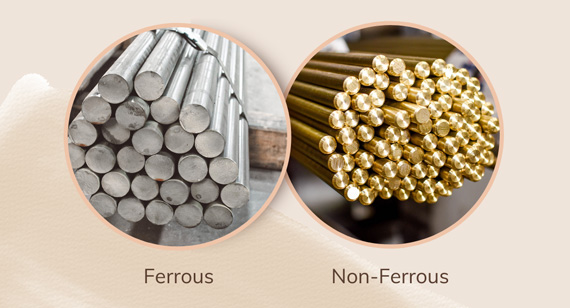
Eisenmetalle und Nichteisenmetalle: Bedeutung für Recycling und Industrie

Eisenmetalle und Nichteisenmetalle spielen eine entscheidende Rolle in der modernen Industrie und der nachhaltigen Rohstoffversorgung.

Eisenmetalle und Nichteisenmetalle gehören zu den wichtigsten Materialien im Metallrecycling, da sie nach der Aufbereitung erneut in zahlreichen industriellen Anwendungen eingesetzt werden können. Metal Processing Ltd ist auf den Ankauf, die Verarbeitung und den Vertrieb hochwertiger Recyclingmetalle spezialisiert.

Was sind Eisenmetalle?

Eisenmetalle enthalten Eisen als Hauptbestandteil und zeichnen sich durch ihre hohe Festigkeit und Belastbarkeit aus. Zu den wichtigsten Eisenmetallen gehören:

  • Stahl
  • Edelstahl
  • Gusseisen
  • Legierter Stahl
  • Schmiedeeisen

Sie werden insbesondere in der Bauindustrie, im Maschinenbau sowie in der Automobilindustrie eingesetzt.

Was sind Nichteisenmetalle?

Nichteisenmetalle enthalten kein oder nur sehr wenig Eisen. Sie sind korrosionsbeständig und besitzen hervorragende elektrische und thermische Eigenschaften. Zu den wichtigsten Nichteisenmetallen gehören:

  • Kupfer
  • Aluminium
  • Messing
  • Zink
  • Blei
  • Nickel

Diese Metalle werden in der Elektrotechnik, der Energiebranche, der Elektronikindustrie und vielen weiteren Bereichen verwendet.

Vorteile des Metallrecyclings

Die Wiederverwertung von Metallen bietet zahlreiche Vorteile:

  • Schonung natürlicher Ressourcen.
  • Verringerung des Energieverbrauchs.
  • Reduzierung von CO₂-Emissionen.
  • Nachhaltige Rohstoffversorgung.
  • Unterstützung der Kreislaufwirtschaft.

Einsatzgebiete recycelter Metalle

Hochwertig aufbereitete Metalle finden Anwendung in:

  • Automobilindustrie.
  • Bauwesen.
  • Maschinenbau.
  • Elektroindustrie.
  • Erneuerbaren Energien.
  • Stahlwerken und Gießereien.

Durch moderne Aufbereitungstechnologien sorgt Metal Processing Ltd dafür, dass wertvolle Rohstoffe wieder in den Wirtschaftskreislauf zurückgeführt werden. Damit leistet das Unternehmen einen wichtigen Beitrag zu einer nachhaltigen und ressourcenschonenden Industrie.


20250306153056x3TSqt.jpg

Ferrous and Non-Ferrous Metals | Eisenmetalle und Nichteisenmetalle

Ferrous and Non-Ferrous Metals: Understanding Their Importance in Modern Recycling and Industry

Ferrous and Non-Ferrous Metals play a fundamental role in modern manufacturing, construction, and sustainable resource management. Ferrous and Non-Ferrous Metals are among the most valuable raw materials in the recycling industry because they can be processed and reused in countless industrial applications. Metal Processing Ltd specializes in the purchase, processing, and supply of high-quality recycled metals that support sustainable production and the circular economy.

What Are Ferrous Metals?

Ferrous metals are metals that contain iron as their main component. These materials are widely used because of their strength, durability, and versatility. Common ferrous metals include:

  • Carbon steel
  • Stainless steel
  • Cast iron
  • Alloy steel
  • Wrought iron

Ferrous metals are essential for industries such as construction, automotive manufacturing, mechanical engineering, and heavy industry. Due to their magnetic properties and excellent mechanical characteristics, they are among the most recycled materials worldwide.

What Are Non-Ferrous Metals?

Non-ferrous metals do not contain significant amounts of iron. They are generally lighter, corrosion-resistant, and possess excellent electrical and thermal conductivity. Some common non-ferrous metals include:

  • Copper
  • Aluminum
  • Brass
  • Zinc
  • Lead
  • Nickel

These metals are highly valuable because they are widely used in electrical engineering, renewable energy systems, telecommunications, aerospace applications, and electronics manufacturing.

The Importance of Recycling Ferrous and Non-Ferrous Metals

Metal recycling has become increasingly important as industries seek environmentally friendly and sustainable solutions. Recycling metals offers numerous advantages:

  • Conservation of natural resources.
  • Reduction of energy consumption.
  • Lower carbon emissions.
  • Reduced landfill waste.
  • Stable supply of secondary raw materials.
  • Support for the circular economy.

Recycled metals maintain their physical and chemical properties, making them suitable for repeated use without compromising quality.

Industrial Applications of Recycled Metals

Processed metals supplied by Metal Processing Ltd are used in various sectors, including:

Automotive Industry

Manufacturers rely on recycled steel, aluminum, and copper to produce components for conventional and electric vehicles.

Construction Industry

Structural steel and recycled metals are essential materials for residential, commercial, and infrastructure projects.

Electrical and Electronics Industry

Copper and other non-ferrous metals are used in cables, wiring systems, motors, and electronic devices.

Renewable Energy Sector

Wind turbines, solar energy systems, and battery technologies require high-quality recycled metals for efficient operation.

Mechanical Engineering

Industrial machinery and equipment manufacturers depend on reliable raw materials to ensure durability and performance.

Why High-Quality Metal Processing Matters

Professional sorting and processing are essential for producing high-purity metals that meet industrial requirements. Metal Processing Ltd uses industry-standard machinery to separate and process different types of scrap metals efficiently. This ensures that valuable resources are returned to the production cycle and utilized sustainably.

Supporting Sustainable Manufacturing

As industries continue to focus on environmental responsibility, recycled metals have become indispensable. By reusing valuable materials, companies can reduce production costs, minimize environmental impact, and improve supply chain resilience.

Metal Processing Ltd contributes to sustainable resource management by transforming scrap materials into valuable secondary raw materials for B2B buyers in Europe and internationally.


Metal Processing Ltd

Kontakte

B2B-Anfragen zu Schrottmaterialien und fertigen Metallmaterialien beantworten wir persönlich.
+49 152 1442 3800

www.maz-zwickau.com

contact@maz-zwickau.com


Versand

Abholung und Lieferung in Europa und international.


Blog

Neueste Artikel


FAQs

Häufig gestellte Fragen


KONTAKT AUFNEHMEN

Folgen Sie unseren Aktivitäten

Aktuelle Informationen zu Materialien, Verfügbarkeit und Abwicklung erhalten Sie direkt von unserem Team.