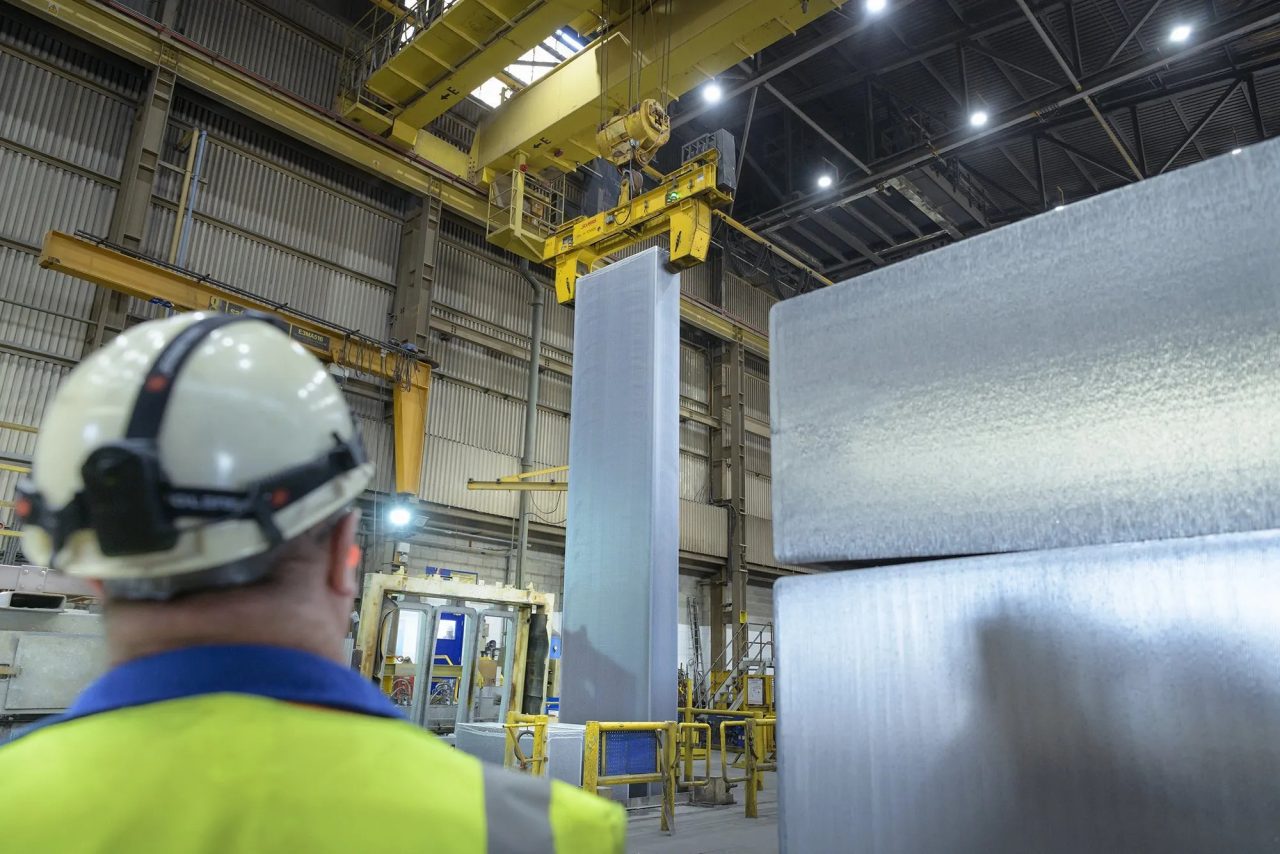
Industries Using Aluminum Alloy Ingots Produced from UBC Scrap
Industries Using Aluminum Alloy Ingots Produced from UBC Scrap Are Driving the Circular Economy
Industries Using Aluminum Alloy Ingots Produced from UBC Scrap are playing a crucial role in the global transition toward sustainable manufacturing and resource efficiency. As demand for recycled metals continues to grow, aluminum alloy ingots produced from Used Beverage Can (UBC) scrap have become an essential raw material for numerous industries seeking high-quality, cost-effective, and environmentally responsible alternatives to primary aluminum.
At Metal Processing Ltd, we understand the growing importance of secondary aluminum raw materials and the significant role that UBC scrap recycling plays in supporting modern industrial production.
From UBC Scrap to Aluminum Alloy Ingots
Used Beverage Can (UBC) scrap is one of the most valuable aluminum recycling streams in the world. Through advanced sorting, cleaning, shredding, decoating, and remelting processes, UBC scrap can be transformed into high-quality aluminum alloy ingots suitable for various industrial applications.
Producing aluminum from recycled UBC scrap requires significantly less energy than manufacturing primary aluminum from bauxite ore. This process reduces carbon emissions, conserves natural resources, and supports the principles of the circular economy.
The excellent recovery rates and consistent quality of processed UBC scrap make it a preferred feedstock for secondary aluminum producers and smelters worldwide.
Automotive Industry
The automotive industry is one of the largest consumers of aluminum alloy ingots produced from recycled materials.
Applications include:
- Engine components
- Transmission housings
- Wheels and rims
- Structural parts
- Heat exchangers
- Lightweight body components
As vehicle manufacturers continue to focus on reducing weight and improving fuel efficiency, the demand for recycled aluminum alloys continues to increase.
Construction Industry
The construction sector relies heavily on aluminum alloy ingots for the production of:
- Window frames
- Curtain walls
- Roofing systems
- Doors
- Architectural profiles
- Structural components
Recycled aluminum offers durability, corrosion resistance, and sustainability, making it an ideal material for modern construction projects.
Packaging Industry
The packaging industry represents one of the most successful examples of the circular economy.
Aluminum alloy ingots derived from UBC scrap are used to manufacture:
- Beverage cans
- Food containers
- Aerosol cans
- Packaging materials
Because aluminum can be recycled repeatedly without losing its properties, beverage cans can continuously return to the production cycle.
Electrical and Electronics Industry
Manufacturers in the electrical and electronics sector utilize recycled aluminum for:
- Electronic housings
- Heat sinks
- Electrical components
- Consumer electronics
- Cable accessories
The excellent thermal conductivity and lightweight properties of aluminum make it an important material for modern technologies.
Renewable Energy Industry
The renewable energy sector increasingly depends on recycled aluminum.
Applications include:
- Solar panel frames
- Mounting systems
- Wind turbine components
- Battery systems
- Energy storage infrastructure
As investments in renewable energy continue to grow worldwide, demand for sustainable aluminum materials is expected to increase further.
Aerospace Industry
Although the aerospace sector often requires highly specialized alloys, recycled aluminum contributes significantly to:
- Interior components
- Support structures
- Non-critical aircraft parts
- Ground equipment
The industry’s focus on reducing environmental impact is creating new opportunities for recycled aluminum materials.
Industrial Manufacturing
Numerous industrial manufacturers use aluminum alloy ingots produced from UBC scrap to produce:
- Machinery components
- Pumps
- Valves
- Castings
- Industrial equipment
- Consumer products
The availability of high-quality secondary aluminum helps manufacturers improve sustainability while maintaining competitive production costs.
Environmental and Economic Benefits
Using aluminum alloy ingots produced from UBC scrap provides numerous advantages:
- Lower energy consumption.
- Reduced carbon emissions.
- Conservation of natural resources.
- Lower production costs.
- Reduced landfill waste.
- Support for the circular economy.
- Improved sustainability performance.
As governments and industries continue to implement environmental targets and decarbonization strategies, recycled aluminum is becoming increasingly important to global manufacturing.
Metal Processing Ltd – Supporting Sustainable Aluminum Supply Chains
Metal Processing Ltd specializes in the processing and supply of high-quality aluminum scrap and secondary raw materials for industrial applications. Through responsible recycling practices and strict quality standards, the company supports manufacturers, smelters, foundries, and recycling partners throughout Germany, Europe, and international markets.
The growing demand for aluminum alloy ingots produced from UBC scrap demonstrates that recycled metals are no longer simply waste materials—they are strategic resources that will help shape the future of sustainable industry.
As the global transition toward a circular economy accelerates, industries using aluminum alloy ingots produced from UBC scrap will continue to play an increasingly important role in building a more resource-efficient and environmentally responsible world.