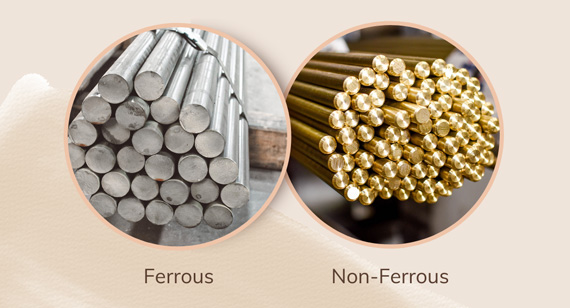
Ferrous and Non-Ferrous Metals | Eisenmetalle und Nichteisenmetalle
Ferrous and Non-Ferrous Metals: Understanding Their Importance in Modern Recycling and Industry
Ferrous and Non-Ferrous Metals play a fundamental role in modern manufacturing, construction, and sustainable resource management. Ferrous and Non-Ferrous Metals are among the most valuable raw materials in the recycling industry because they can be processed and reused in countless industrial applications. Metal Processing Ltd specializes in the purchase, processing, and supply of high-quality recycled metals that support sustainable production and the circular economy.
What Are Ferrous Metals?
Ferrous metals are metals that contain iron as their main component. These materials are widely used because of their strength, durability, and versatility. Common ferrous metals include:
- Carbon steel
- Stainless steel
- Cast iron
- Alloy steel
- Wrought iron
Ferrous metals are essential for industries such as construction, automotive manufacturing, mechanical engineering, and heavy industry. Due to their magnetic properties and excellent mechanical characteristics, they are among the most recycled materials worldwide.
What Are Non-Ferrous Metals?
Non-ferrous metals do not contain significant amounts of iron. They are generally lighter, corrosion-resistant, and possess excellent electrical and thermal conductivity. Some common non-ferrous metals include:
- Copper
- Aluminum
- Brass
- Zinc
- Lead
- Nickel
These metals are highly valuable because they are widely used in electrical engineering, renewable energy systems, telecommunications, aerospace applications, and electronics manufacturing.
The Importance of Recycling Ferrous and Non-Ferrous Metals
Metal recycling has become increasingly important as industries seek environmentally friendly and sustainable solutions. Recycling metals offers numerous advantages:
- Conservation of natural resources.
- Reduction of energy consumption.
- Lower carbon emissions.
- Reduced landfill waste.
- Stable supply of secondary raw materials.
- Support for the circular economy.
Recycled metals maintain their physical and chemical properties, making them suitable for repeated use without compromising quality.
Industrial Applications of Recycled Metals
Processed metals supplied by Metal Processing Ltd are used in various sectors, including:
Automotive Industry
Manufacturers rely on recycled steel, aluminum, and copper to produce components for conventional and electric vehicles.
Construction Industry
Structural steel and recycled metals are essential materials for residential, commercial, and infrastructure projects.
Electrical and Electronics Industry
Copper and other non-ferrous metals are used in cables, wiring systems, motors, and electronic devices.
Renewable Energy Sector
Wind turbines, solar energy systems, and battery technologies require high-quality recycled metals for efficient operation.
Mechanical Engineering
Industrial machinery and equipment manufacturers depend on reliable raw materials to ensure durability and performance.
Why High-Quality Metal Processing Matters
Professional sorting and processing are essential for producing high-purity metals that meet industrial requirements. Metal Processing Ltd uses industry-standard machinery to separate and process different types of scrap metals efficiently. This ensures that valuable resources are returned to the production cycle and utilized sustainably.
Supporting Sustainable Manufacturing
As industries continue to focus on environmental responsibility, recycled metals have become indispensable. By reusing valuable materials, companies can reduce production costs, minimize environmental impact, and improve supply chain resilience.
Metal Processing Ltd contributes to sustainable resource management by transforming scrap materials into valuable secondary raw materials for B2B buyers in Europe and internationally.